
India's fabric hygiene knowledge base · WHO · BIS · CPCB sourced · Independent editorial · No brand sponsorship · No product comparisons · 16 Indian cities covered · 22+ fabric types ·
Sofa with linen cushions in an Indian living room

Content pillar 06

Home Textiles & Hygiene

The textiles nobody thinks to wash — mattresses, curtains, mats, sofa covers, mosquito nets, kitchen linen — and what accumulates in them. Cleaning frequencies and health evidence for Indian homes.

15 articles
Sunlight falling through household curtains
01Home Textiles & Hygiene8 min read

How Unwashed Curtains Trigger Chronic Allergies in Indian Homes

Curtains accumulate more than dust. Over months of humid air, cooking fumes, and open windows, they become a reservoir of allergens that circulate with every breeze.

Read guide →

White pillows and crisp bed sheets in daylight
02Home Textiles & Hygiene9 min read

What Is Really Living in Your Bed Sheet — A Guide to Dust Mites

Dust mites feed on shed skin cells and thrive in the warmth of a used bed. Their droppings, not the mites themselves, are the primary allergen.

Read guide →
A bare mattress in soft morning light
03Home Textiles & Hygiene8 min read

Mattress Hygiene — Why Vacuuming Is Not Enough

A used mattress can hold millions of dust mites, plus mould spores in humid Indian cities. Why vacuuming barely helps, and which measures the evidence supports.

Read guide →
Laboratory glassware beside folded white fabric
04Home Textiles & Hygiene6 min read

How Often Should You Wash Your Pillow? The Science Says More Often Than You Think

Pillows absorb sweat, oil, and saliva night after night. Cases are washed; the pillow itself rarely is — and that is where the biological load settles.

Read guide →
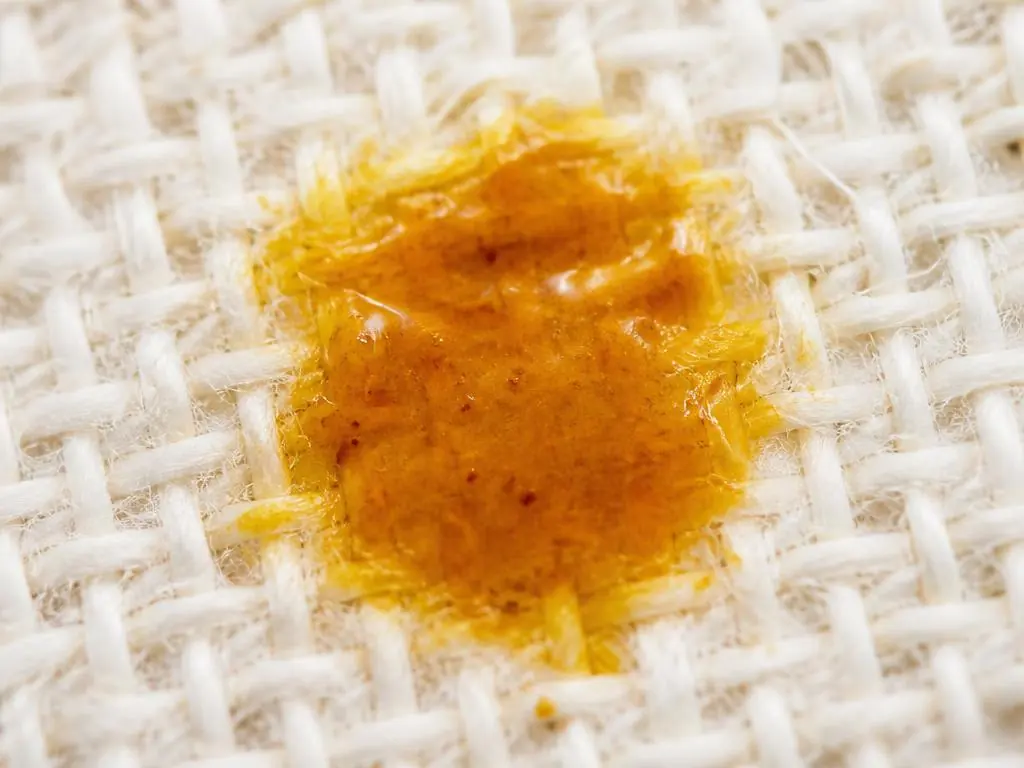
Macro view of a stain spreading across cotton weave
05Home Textiles & Hygiene10 min read

How Unclean Mattress Covers Affect Respiratory Health in Children

Children spend up to ten hours a day in direct contact with mattress surfaces, making accumulated allergens a disproportionate exposure risk.

Read guide →
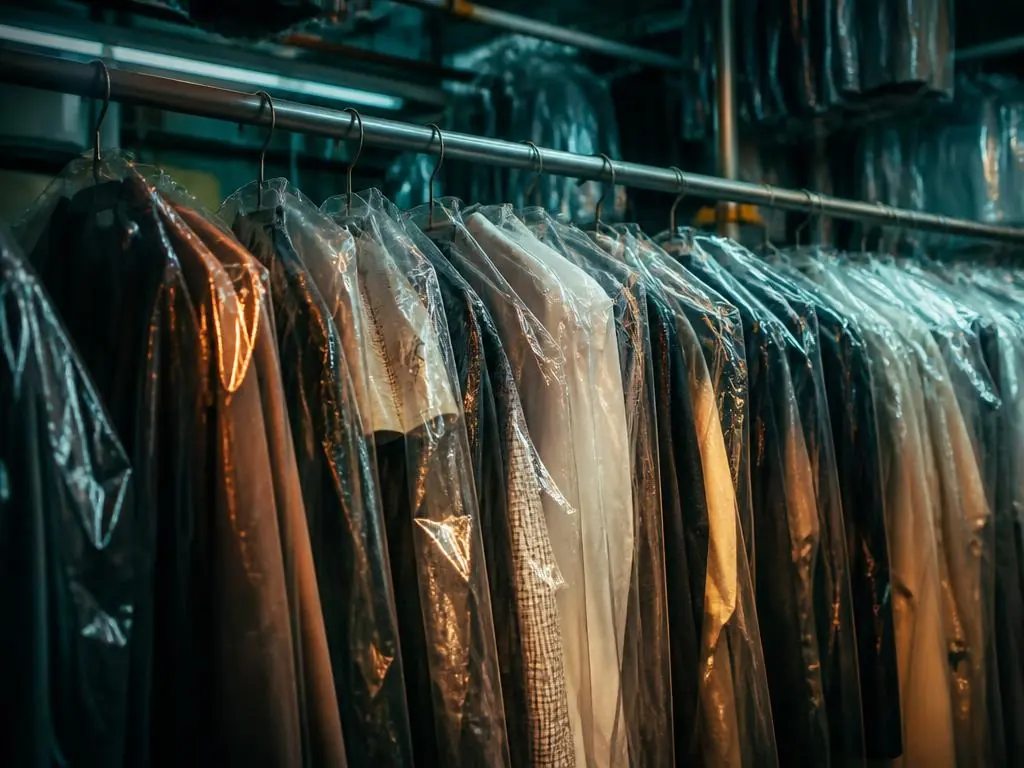
Garments in protective covers on a dry cleaning rail
06Home Textiles & Hygiene7 min read

How Often Should You Wash Your Curtains — A City-by-City Guide for Indian Homes

Curtain cleaning frequency depends on your city's humidity, air quality, and cooking habits. A practical city-by-city guide for Indian homes.

Read guide →
Fabric sofa with linen cushions in a living room
07Home Textiles & Hygiene7 min read

The Hygiene Risk Inside Your Sofa Cushion Covers

Sofa cushion covers accumulate skin cells, dust mites, food residue, and pet matter. Most Indian households never clean them. Here's what the evidence says.

Read guide →
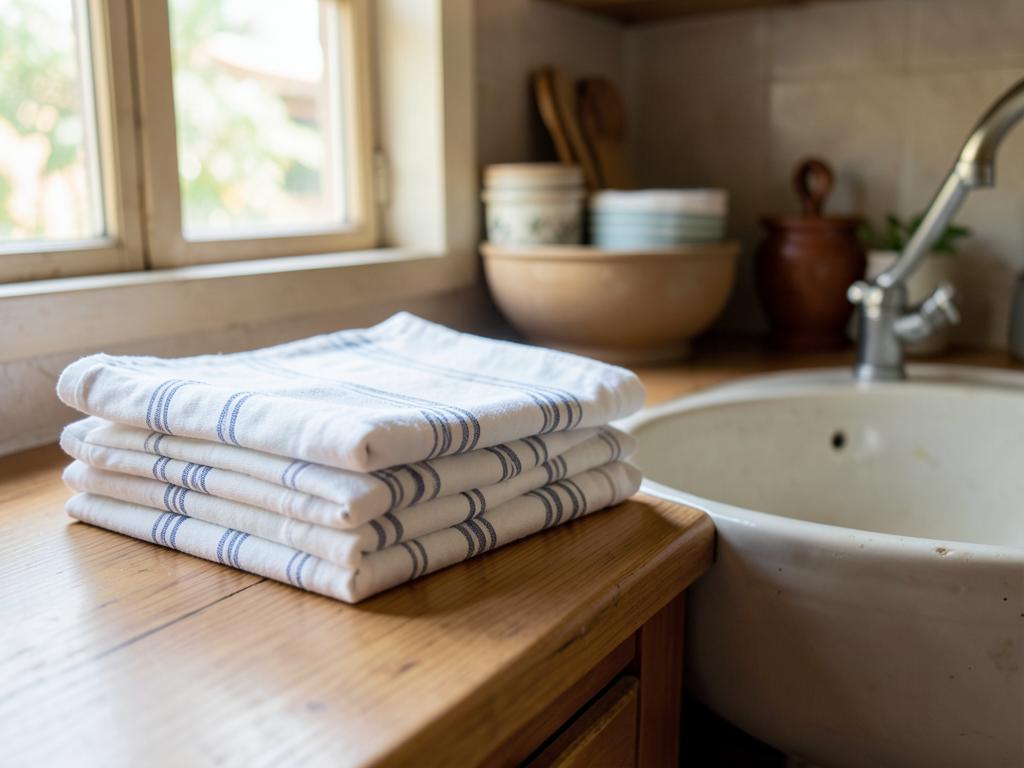
Folded cotton kitchen towels and linen on a wooden counter
08Home Textiles & Hygiene8 min read

Kitchen Linen and Food Safety — A Connection Most Indian Families Miss

Dish cloths and kitchen towels are among the most contaminated textiles in a home, and a documented route for cross-contamination of food.

Read guide →
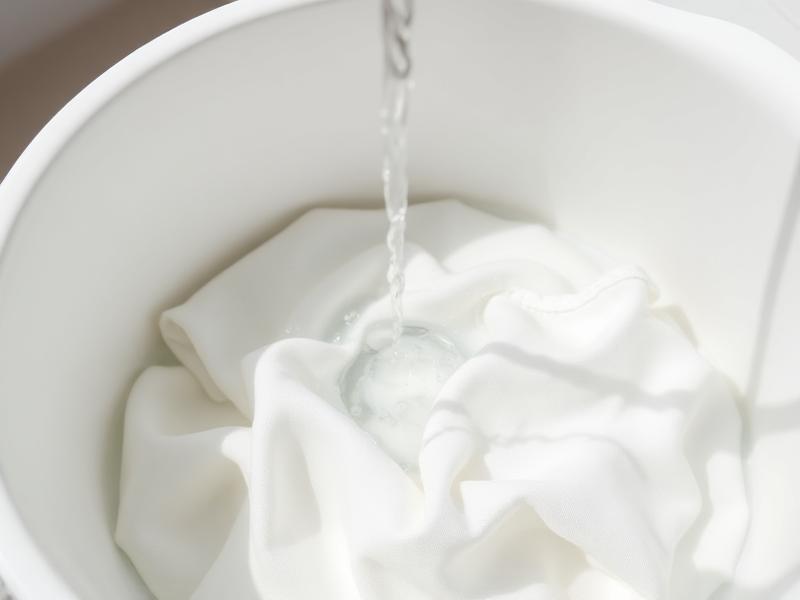
Cold water running over white fabric in a basin
09Home Textiles & Hygiene7 min read

Damp Towels and Skin Infections — Understanding the Risk

A towel left damp in an enclosed bathroom is an ideal environment for bacterial and fungal growth, particularly through Indian monsoon months.

Read guide →
Sofa with linen cushions in an Indian living room
10Home Textiles & Hygiene6 min read

Door Mats: The Most Overlooked Hygiene Risk in Every Indian Home

Every mat at an entrance collects road dust, faecal bacteria, and pesticide residue carried in on footwear, then redistributes it indoors.

Read guide →
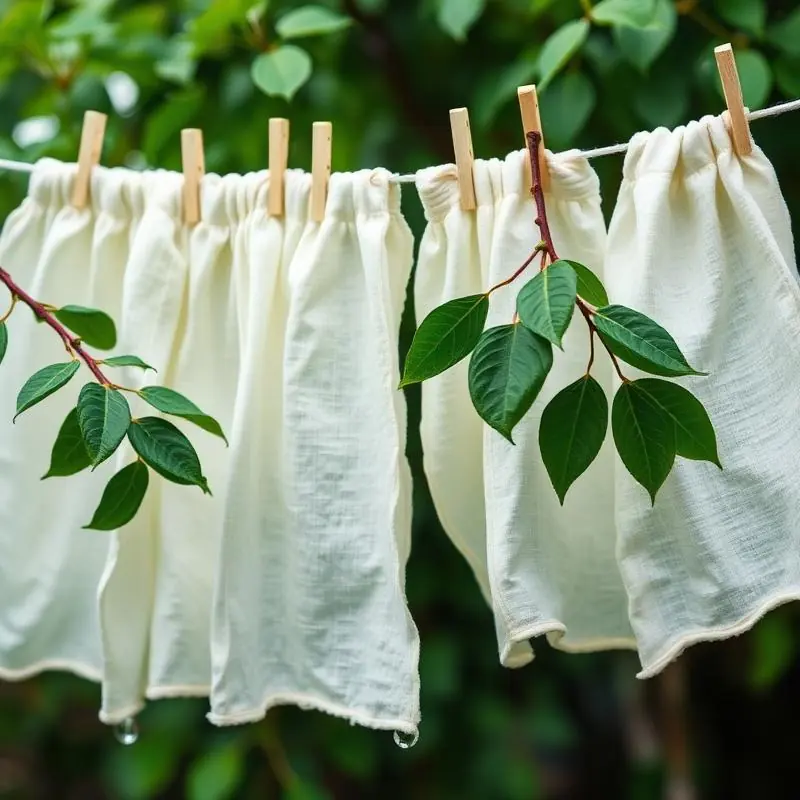
Washed cotton drying on a line beside leaves
11Home Textiles & Hygiene5 min read

Mosquito Nets — The Most Underserviced Hygiene Item in Indian Homes

Mosquito nets used nightly accumulate dust, insect matter, and biological residue. Most households never clean them. Here's the correct approach by net type.

Read guide →
Liquid detergent measured into a cup
12Home Textiles & Hygiene7 min read

Monsoon Fabric Hygiene: Mould, Mildew, and Drying Without Sun

Weeks of high humidity and no sun turn damp laundry into a mould risk. How to dry indoors properly, store clothes safely, and handle mildew once it sets in.

Read guide →
Turmeric stain spreading on white cotton cloth
13Home Textiles & Hygiene6 min read

How to Store Seasonal Clothes in India — The Science of Textile Preservation

Seasonal fabric storage in India risks moth damage, mildew, colour transfer, and fibre stress. Here's the evidence-based storage approach for Indian conditions.

Read guide →
Laundry tumbling in a washing machine drum
14Home Textiles & Hygiene6 min read

Detergent pH and Infant Skin: What Parents Should Understand

Newborn skin sits at a higher pH with a thinner barrier than adult skin. Why alkaline detergent residue matters more for infant laundry, and the steps the mechanism supports.

Read guide →
Macro view of synthetic fabric fibres
15Home Textiles & Hygiene5 min read

The Case for Washing School Uniforms More Frequently

Uniforms travel through classrooms, buses, playgrounds, and canteens. Twice-weekly washing is common practice; the evidence suggests it is not enough.

Read guide →