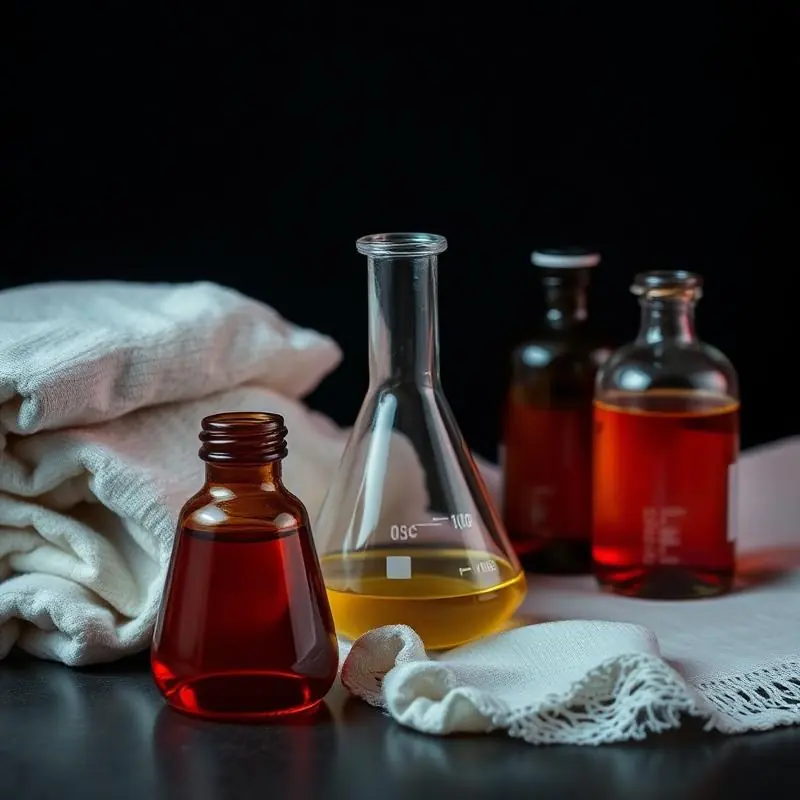
Why Protein Stains Must Always Be Treated With Cold Water First
Hot water permanently sets protein stains like blood, sweat, and dairy. Here's the chemistry behind it and the correct treatment sequence for Indian fabrics.
Read guide →Local fabric care guide
Kolkata's long humid season, localised iron content in groundwater and fine handloom wardrobe create fabric problems that generic laundry advice misses.
TDS 200–450 ppm
Moderate hardness with high iron in pockets
80–90% humidity
Long humid season — mould and musty odour risk
Tant and Baluchari weaves
Fine cotton and silk handloom care
Kolkata's fabric care challenges are dominated by moisture. The humid season is long, indoor drying is common, and the city's wardrobe leans heavily towards fine handloom cotton and silk — fabrics that are both delicate and unusually good at holding damp.
See Kolkata's water hardness data →In parts of the city served by groundwater, dissolved iron oxidises on contact with air and detergent and deposits as a faint yellow-brown cast. On white cotton it reads as ageing rather than staining, which is why it is usually attributed to the garment rather than the water.
Chlorine bleach makes iron staining worse, not better, by fixing the oxide. Where iron is suspected, the correct treatments are an oxygen-based approach or a mild acidic treatment, and the long-term fix is filtration at the supply rather than anything done in the machine.
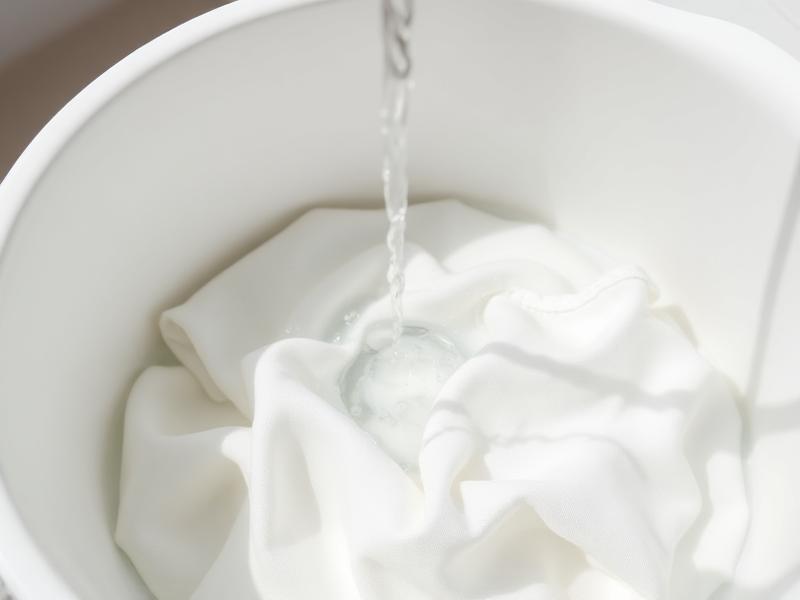
Tant cotton is woven loosely and starched to give it body. Machine agitation stretches the weave out of square and strips the starch unevenly, which is why a tant saree that has been through a washing machine never hangs the same way again.
Hand washing in cool water with minimal wringing, drying flat or over a wide support rather than a thin line, and re-starching lightly if the drape has gone soft will keep the fabric behaving as it should for years.
Baluchari and other figured silks are protein fibres, and protein fibre stored damp is a substrate for mould as well as an attractant for insects. The characteristic musty smell in a Kolkata almirah is biological growth, not stale air.
Store silk clean and fully dry, in breathable cotton wrapping rather than plastic, with space for air to move. Air stored pieces a few times a year in indirect light, and never in direct sun, which fades silk dye quickly.
Why do my white clothes turn yellow in Kolkata?
Often dissolved iron in groundwater oxidising onto the fibre. Chlorine bleach worsens it; oxygen-based treatment and supply-side filtration are the effective responses.
Can tant sarees go in a washing machine?
Best avoided. The loose weave distorts under machine agitation and the starch that gives tant its characteristic body is stripped unevenly.

Hot water permanently sets protein stains like blood, sweat, and dairy. Here's the chemistry behind it and the correct treatment sequence for Indian fabrics.
Read guide →
Curtain cleaning frequency depends on your city's humidity, air quality, and cooking habits. A practical city-by-city guide for Indian homes.
Read guide →
Dust mites, mould spores and pollen build up in curtain fabric. What the evidence says about allergy risk in Indian homes and how often curtains should be cleaned.
Read guide →Service guidance
Professional fabric care varies significantly in quality across Kolkata. Before entrusting delicate or valuable garments to any service, these are the questions worth asking and the standards worth knowing.
A dependable service inspects each garment on intake, records its fabric composition and care label, and chooses a cleaning method accordingly — rather than running everything through one default process. Ask how delicate, embroidered, and occasion wear are handled differently from daily cottons.
Read our full service evaluation guide →More cities
Metro
Tier 2