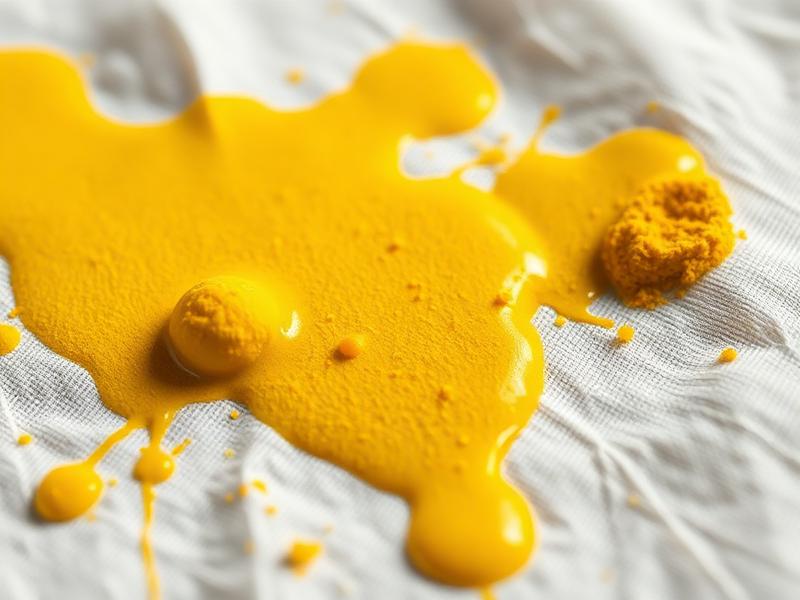
The Right Way to Remove a Turmeric Stain From Indian Fabrics
Turmeric stains are dye stains, not dirt stains. Standard detergent has limited effect. Here's what actually works on cotton, silk, and synthetic Indian fabrics.
Read guide →Local fabric care guide

Ahmedabad's hard water and arid heat, combined with a bandhani and patola wardrobe, call for specific washing, drying and storage practice.
TDS 400–700 ppm
Hard water — mineral deposits on fabric
Hot arid climate to 45°C
Fade risk and static in dry air
Bandhani and Patola heritage
Tie-dye and double-ikat dye care
Ahmedabad is hot, dry and hard-watered — a combination that is actually favourable for storage and unfavourable for washing. The city's textile heritage adds a second layer, because resist-dyed bandhani and double-ikat patola respond badly to exactly the treatments that suit everyday cotton.
See Ahmedabad's water hardness data →The low humidity effectively removes mildew from the list of concerns, which is a genuine advantage. What replaces it is mineral deposition: hard water leaves calcium and magnesium in the fibre, and rapid evaporation in dry heat concentrates that deposit rather than rinsing it through.
Practically, this means the rinse matters more than the wash here. A second rinse, or a longer one, removes more of the dissolved load before it dries into the fabric — and does more for fabric feel than any change of detergent.
In bandhani the pattern exists because thousands of tiny knots resisted the dye. Aggressive washing, wringing and stretching pull those knot-formed puckers flat, and once the texture is gone the pattern reads as flat printed dots.
Cold water, no soaking, no wringing, and drying without stretching preserve both the pucker and the dye. Traditional practice of not opening the fabric fully until first wear exists for the same reason.
Double-ikat patola has both warp and weft dyed before weaving, which is why the motif appears equally on both faces. That construction is durable but the natural dyes are sensitive to alkalinity and heat, and any bleeding disturbs a pattern that took months to align.
These should not be washed at home. Where cleaning is unavoidable, it belongs with a service that handles handloom silk separately from bulk work and can say which process it will use.
Does dry air reduce fabric problems in Ahmedabad?
It removes most mould and mildew risk. In exchange, hard-water mineral residue concentrates as fabric dries quickly, and static and UV fading become the main issues.
How should bandhani be washed?
Cold water, no soaking, no wringing, dried without stretching. The puckered texture created by the tied knots is part of the pattern and flattening it cannot be undone.

Turmeric stains are dye stains, not dirt stains. Standard detergent has limited effect. Here's what actually works on cotton, silk, and synthetic Indian fabrics.
Read guide →

Phosphates in laundry detergents enter India's rivers and lakes, causing algal blooms and oxygen depletion. What the research says and what to look for on labels.
Read guide →
"Dry clean only" is often manufacturer caution, not a physical necessity. Here's which Indian fabrics genuinely need dry cleaning and which can be safely hand washed.
Read guide →Service guidance
Professional fabric care varies significantly in quality across Ahmedabad. Before entrusting delicate or valuable garments to any service, these are the questions worth asking and the standards worth knowing.
A dependable service inspects each garment on intake, records its fabric composition and care label, and chooses a cleaning method accordingly — rather than running everything through one default process. Ask how delicate, embroidered, and occasion wear are handled differently from daily cottons.
Read our full service evaluation guide →More cities
Metro
Tier 2