India's fabric hygiene knowledge base · WHO · BIS · CPCB sourced · Independent editorial · No brand sponsorship · No product comparisons · 16 Indian cities covered · 22+ fabric types ·

Local fabric care guide

Fabric Care in Surat — Synthetics, Humidity and Embellished Sarees

Surat's synthetic textile wardrobe, year-round humidity and hard water need different handling from cotton-dominated cities. A practical local fabric care guide.

Hard water (TDS 400–600 ppm)

Textile city water challenges

High humidity year-round 65–80%

Mould and mildew risk in stored fabrics

Synthetic textile manufacturing hub

Large volume of synthetic fabric care

Surat is India's synthetic textile centre, and household wardrobes reflect it — polyester, viscose blends and heavily embellished party sarees are far more common here than in cotton-dominated cities. Synthetic fibre has its own failure modes, and humidity makes several of them worse.

See Surat's water hardness data →

Synthetics hold odour rather than soil

Polyester is oleophilic — it attracts and retains body oils, and the odour compounds that bacteria produce from those oils bind to the fibre rather than rinsing away. This is why a polyester garment can look clean, smell stale, and still smell stale after a normal wash.

Cooler washes with adequate detergent contact time work better than hot short cycles, because heat sets oil into synthetic fibre. Turning garments inside out exposes the soiled inner face to the wash water directly.

Heat is the real hazard for synthetic fabric

Polyester and nylon soften at temperatures a domestic iron easily reaches. The damage — a shiny flattened patch, a permanently glazed area — is melting, and it cannot be reversed by any cleaning process.

Iron on the lowest effective setting, on the reverse, through a pressing cloth, and keep synthetic sarees away from hot direct drying surfaces.

Embellishment and year-round humidity

Stone, sequin and thread work on party sarees is attached with adhesive and fine thread. Sustained humidity softens some adhesives over months in storage, so pieces begin shedding without ever having been worn.

Store embellished sarees flat or rolled rather than tightly folded, in breathable cotton, with tissue between embellished layers so applied work does not abrade the facing fabric. Every synthetic wash also sheds microfibre, which is worth understanding as a separate issue.

Common questions — Surat

Why does polyester still smell after washing?

Polyester retains body oils and the odour compounds bound to them. Wash inside out in cooler water with enough detergent contact time; hot short cycles set the oil rather than removing it.

How should embellished party sarees be stored?

Rolled or loosely flat in breathable cotton, with tissue between embellished layers. Tight folding and trapped humidity are what loosen applied stone and sequin work.

Guides relevant to Surat

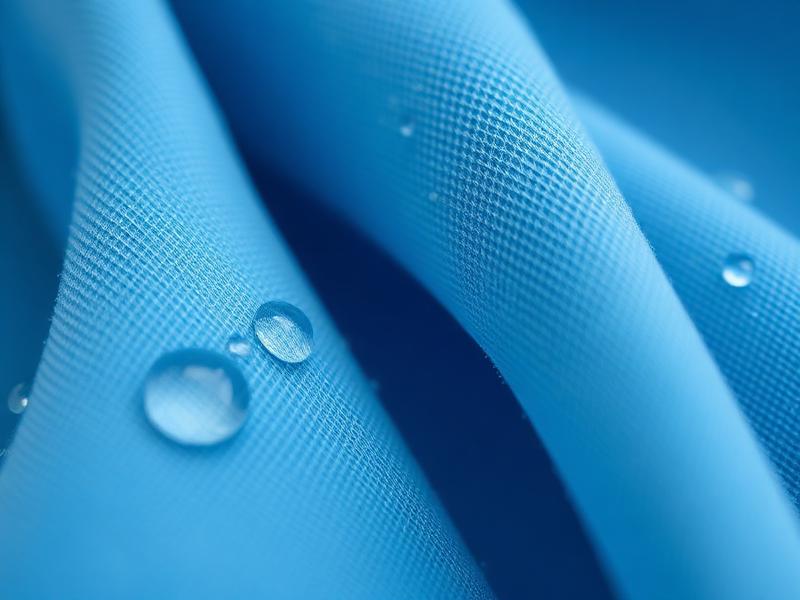
Macro view of synthetic fabric fibres
01Sustainability7 min read

Microplastic Shedding from Synthetic Fabrics: What the Research Shows and What Reduces It

A decade of peer-reviewed research confirms every wash of polyester, nylon or acrylic releases plastic microfibres. What the studies measure, where the fibres go in India, and what actually reduces shedding.

Read guide →
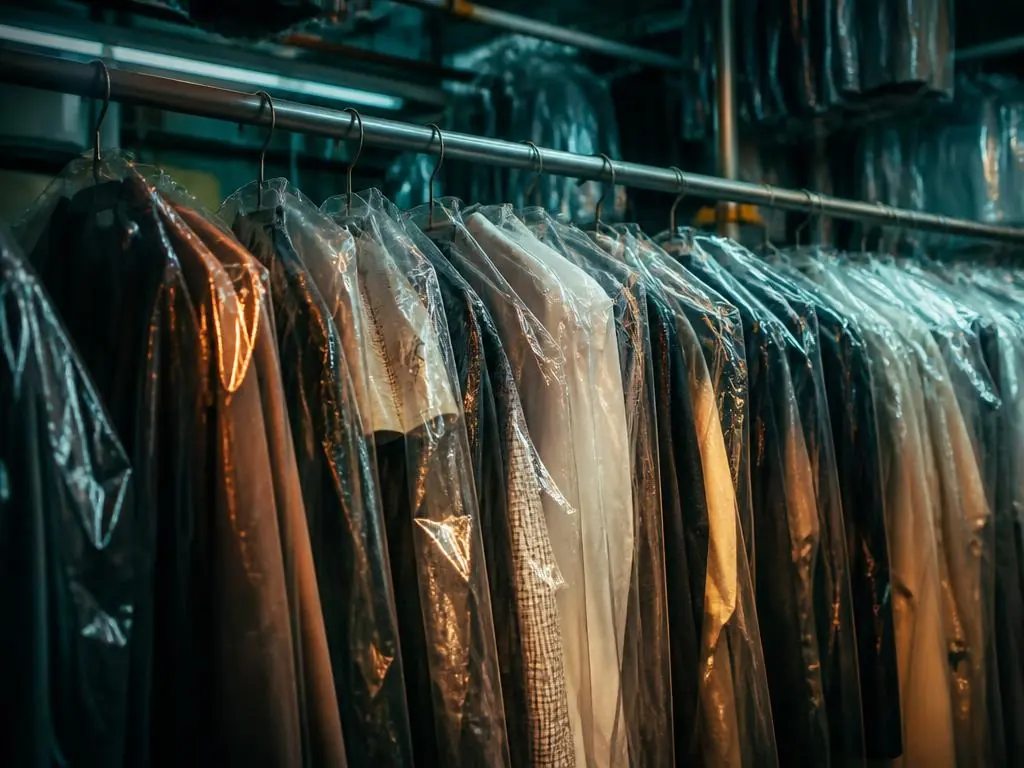
Garments in protective covers on a dry cleaning rail
02Care Methods7 min read

Which Fabrics Actually Need Dry Cleaning — And Which Do Not

"Dry clean only" is often manufacturer caution, not a physical necessity. Here's which Indian fabrics genuinely need dry cleaning and which can be safely hand washed.

Read guide →

Service guidance

Choosing a Professional Fabric Care Service in Surat

Professional fabric care varies significantly in quality across Surat. Before entrusting delicate or valuable garments to any service, these are the questions worth asking and the standards worth knowing.

Questions to ask before handing over garments

  • ·What solvents or chemicals do you use for dry cleaning?
  • ·Do you treat each fabric type differently, or use a standard process?
  • ·How do you handle stain pre-treatment?
  • ·What is your policy if a garment is damaged during cleaning?
  • ·Can you show me where my garments will be cleaned?

What separates a professional service from a basic one

  • ·Fabric identification before treatment — not all fabrics respond to the same process
  • ·Separate handling for delicate items: silk, wool, embroidered, and embellished garments
  • ·Solvent quality disclosure — professional services should be transparent about what they use
  • ·Garment inspection on return — check for shrinkage, colour change, and residue

Red flags when evaluating a laundry or dry cleaning service

  • ·No clear information on what cleaning process is used
  • ·Same process claimed for all fabric types regardless of care label
  • ·No intake inspection — garments accepted without noting pre-existing damage
  • ·No clear pricing before service, only after

How to compare services in Surat

A dependable service inspects each garment on intake, records its fabric composition and care label, and chooses a cleaning method accordingly — rather than running everything through one default process. Ask how delicate, embroidered, and occasion wear are handled differently from daily cottons.

Read our full service evaluation guide →