India's fabric hygiene knowledge base · WHO · BIS · CPCB sourced · Independent editorial · No brand sponsorship · No product comparisons · 16 Indian cities covered · 22+ fabric types ·

Local fabric care guide

Fabric Care in Coimbatore — Hard Water in a Cotton City

Coimbatore is a cotton manufacturing hub with hard water and a hot semi-arid climate. What that combination means for household laundry and handloom care.

Hard water (TDS 400–600 ppm)

Reduces detergent performance significantly

Hot semi-arid climate 25–40°C

Accelerates fabric fade and fibre stress

Cotton textile hub

Local expertise in cotton care traditions

Coimbatore households own more cotton than most, and cotton is the fabric most visibly affected by hard water. The city's semi-arid heat then speeds drying, which helps with mildew and hurts with colour retention.

See Coimbatore's water hardness data →

Why cotton shows hard water first

Cotton is a cellulose fibre with a large internal surface area, so it holds mineral and soap-scum deposits more readily than smooth synthetics. Towels going hard, bedsheets losing softness and white shirts developing a grey cast are all the same underlying deposit.

The fix is mechanical and procedural rather than chemical: correct dosing for hard water, an additional rinse, smaller loads so water circulates, and periodic descaling of the machine drum and heating element.

Handloom cotton needs less machine, not more

Locally woven handloom is more loosely constructed than mill cotton and distorts under high-speed agitation and spin. A gentle cycle, a mesh bag, and a reduced spin speed retain the weave geometry that gives handloom its drape.

Line drying flat or across a wide support rather than a thin line prevents the stretched pull-marks that show up along a saree's length after repeated drying.

Heat, sun and colour

The strong dry sun that makes drying quick also fades dye. For coloured cotton, drying inside out and in shade retains colour with very little penalty in drying time given the low humidity.

Cotton stored in high summer heat also benefits from being clean and loosely packed — compressed folds under heat set creases that ironing only partly recovers.

Common questions — Coimbatore

Why do towels go stiff in Coimbatore?

Hard-water minerals and soap scum coat the loops of the pile. More detergent worsens it; extra rinsing and periodic machine descaling help.

Can handloom cotton be machine washed?

Yes, on a gentle cycle in a mesh bag with reduced spin. The risk is weave distortion from agitation, not the water itself.

Guides relevant to Coimbatore

Stack of bright white folded shirts in daylight
01Chemical Safety6 min read

Optical Brighteners in Washing Powder — What Stays on Your Clothes After Washing

Optical brighteners make clothes appear whiter under UV light but remain on fabric after washing. What they are, how they work, and what dermatologists say.

Read guide →
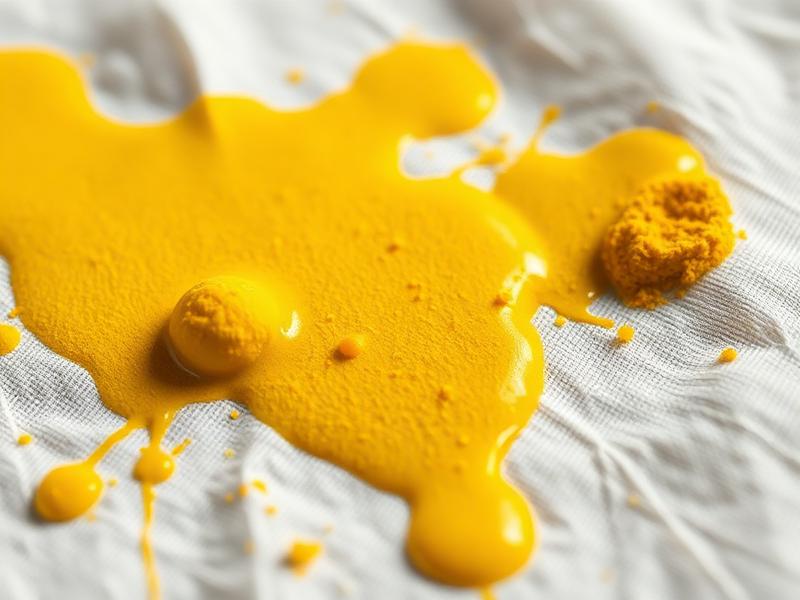
Turmeric stain spreading on white cotton cloth
02Dirt & Stain Science7 min read

The Right Way to Remove a Turmeric Stain From Indian Fabrics

Turmeric stains are dye stains, not dirt stains. Standard detergent has limited effect. Here's what actually works on cotton, silk, and synthetic Indian fabrics.

Read guide →

Service guidance

Choosing a Professional Fabric Care Service in Coimbatore

Professional fabric care varies significantly in quality across Coimbatore. Before entrusting delicate or valuable garments to any service, these are the questions worth asking and the standards worth knowing.

Questions to ask before handing over garments

  • ·What solvents or chemicals do you use for dry cleaning?
  • ·Do you treat each fabric type differently, or use a standard process?
  • ·How do you handle stain pre-treatment?
  • ·What is your policy if a garment is damaged during cleaning?
  • ·Can you show me where my garments will be cleaned?

What separates a professional service from a basic one

  • ·Fabric identification before treatment — not all fabrics respond to the same process
  • ·Separate handling for delicate items: silk, wool, embroidered, and embellished garments
  • ·Solvent quality disclosure — professional services should be transparent about what they use
  • ·Garment inspection on return — check for shrinkage, colour change, and residue

Red flags when evaluating a laundry or dry cleaning service

  • ·No clear information on what cleaning process is used
  • ·Same process claimed for all fabric types regardless of care label
  • ·No intake inspection — garments accepted without noting pre-existing damage
  • ·No clear pricing before service, only after

How to compare services in Coimbatore

A dependable service inspects each garment on intake, records its fabric composition and care label, and chooses a cleaning method accordingly — rather than running everything through one default process. Ask how delicate, embroidered, and occasion wear are handled differently from daily cottons.

Read our full service evaluation guide →