
01Care Methods8 min read
What Actually Happens Inside a Dry Cleaning Machine
Dry cleaning is not dry — it uses nonpolar liquid solvents. The machine cycle, the pre-spotting that decides the result, and what the process cannot fix.
Read guide →Content pillar 05
Every garment ends up in one of a few processes — a machine cycle, a soak, a hand wash, or a solvent drum. What each method does to fibre, how much detergent it actually needs, and when handing the garment to a service is the right call.
13 articlesDry cleaning is not dry — it uses nonpolar liquid solvents. The machine cycle, the pre-spotting that decides the result, and what the process cannot fix.
Read guide →
"Dry clean only" is often manufacturer caution, not a physical necessity. Here's which Indian fabrics genuinely need dry cleaning and which can be safely hand washed.
Read guide →
International care symbols were designed for Western garments. Here's how to interpret them for sarees, sherwanis, kurtas, and handloom Indian textiles.
Read guide →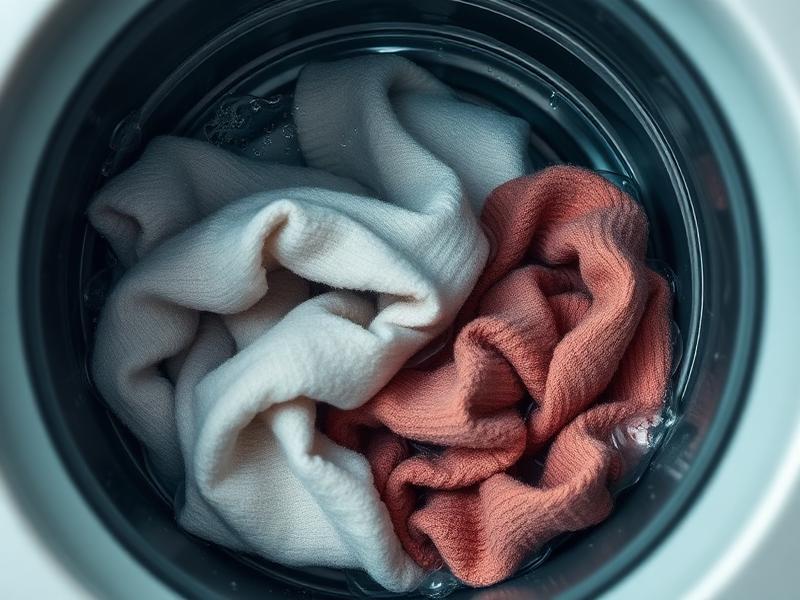
Delicate, quick wash, cotton, synthetic — washing machine cycle labels describe the drum movement speed, water temperature, and spin intensity. Choosing the wrong setting causes shrinkage, pilling, and colour loss.
Read guide →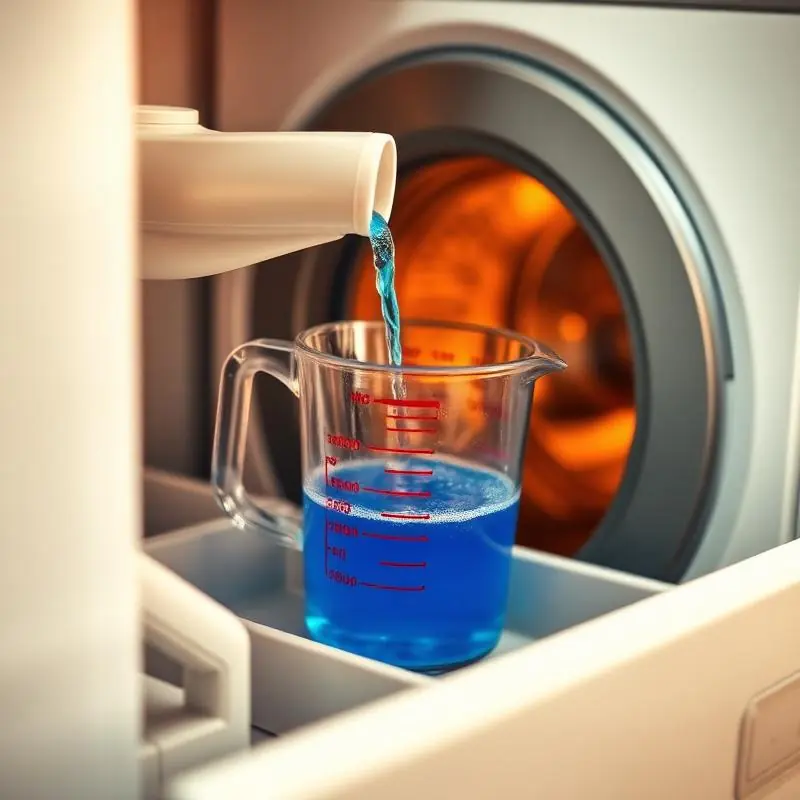
Front-load machines use significantly less water than top-loaders. Using the same amount of detergent you would in a top-loader creates excess suds, residue on fabric, and long-term drum damage.
Read guide →
More detergent does not mean cleaner clothes. Excess detergent leaves chemical residue on fibres that accumulates with every wash, stiffens fabric, and irritates sensitive skin.
Read guide →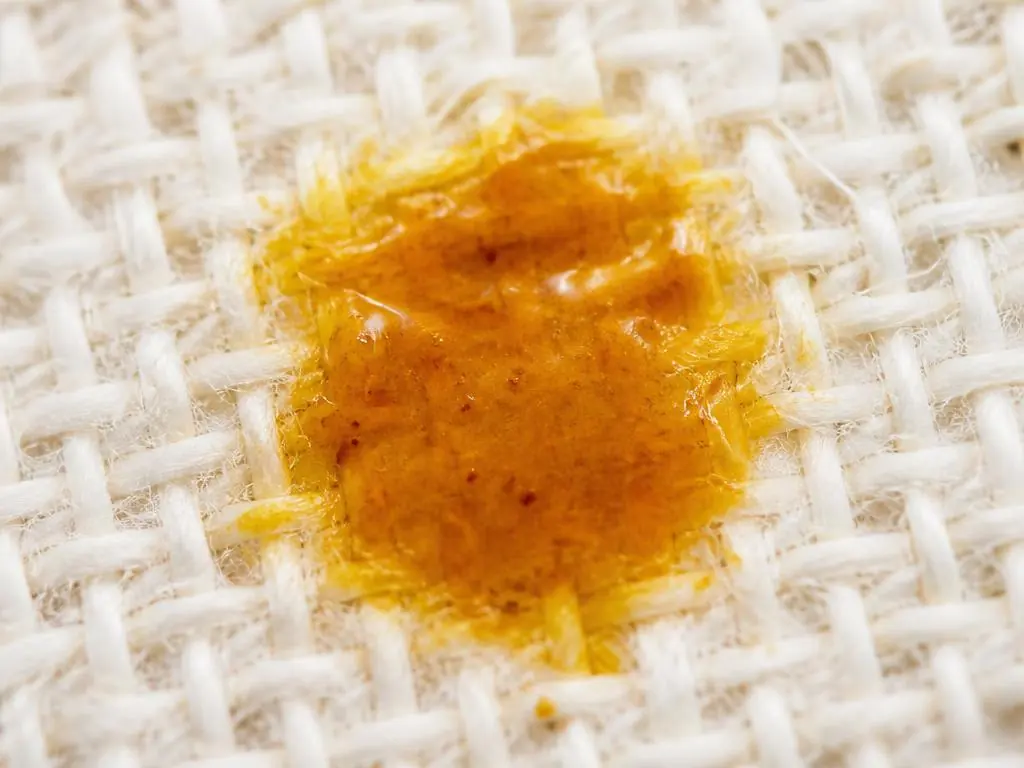
Applying detergent directly to a dry stain before washing, soaking in a diluted solution, and putting a garment straight into the drum are three different approaches — and each works best on different stain types.
Read guide →
Fabric softener coats fibres with a thin lubricating layer. For towels, sportswear, and microfibre cloths, this coating reduces absorbency. Understanding when to use it is more useful than using it on everything.
Read guide →
White fabric greys gradually not from dirt, but from accumulated detergent residue, mineral deposits from hard water, and optical brightener breakdown. The solution requires understanding what caused the grey, not just washing more frequently.
Read guide →
In India's humid monsoon climate, improperly stored powder detergent clumps, loses efficacy, and develops mould. Storage conditions affect cleaning performance more than most people realise.
Read guide →
Garment damage from dry cleaning is more common than acknowledged. Here's how to identify damage when you collect a garment and what your options are.
Read guide →
Perchloroethylene dominates Indian dry cleaning but greener alternatives exist. Here's what wet cleaning, hydrocarbon solvents, and CO2 cleaning are and where to find them.
Read guide →
On-demand laundry pickup and delivery has grown fast in Indian metros. Here's what to check before entrusting your garments to a laundry app service.
Read guide →Choosing between a local cleaner and an app-based service? Find a Service sets out what to check before you hand over a garment.
Explore other pillars