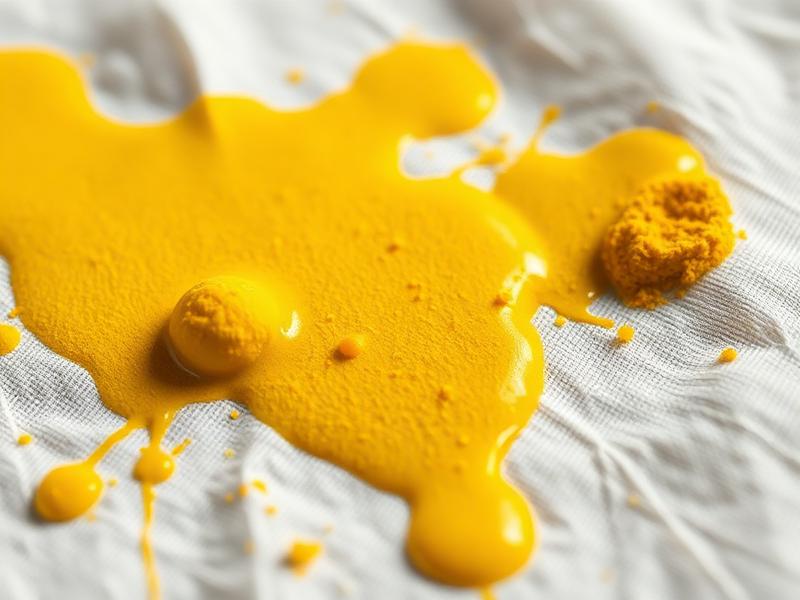
The Right Way to Remove a Turmeric Stain From Indian Fabrics
Turmeric stains are dye stains, not dirt stains. Standard detergent has limited effect. Here's what actually works on cotton, silk, and synthetic Indian fabrics.
Read guide →Local fabric care guide
Jaipur has some of India's hardest domestic water and a desert climate, alongside a block-print and bandhani tradition that reacts badly to hot alkaline washing.
Very hard water (TDS 500–800 ppm)
One of India's hardest water cities
Dry desert climate, low humidity
Reduces mould risk but increases static
Rich textile heritage
Bandhani, block-print, and Jaipuri cotton care needs
Jaipur's water sits at the extreme end of the Indian hardness range, and its desert climate is very dry. The first fact dominates everyday laundry; the second largely removes mould from the equation while making static and UV fading more prominent.
See Jaipur's water hardness data →Standard detergent dosing assumes moderate hardness. Where hardness runs as high as it does across much of Jaipur, a large fraction of the surfactant is consumed before cleaning begins, producing weak lather, visible scum and progressively stiffer cotton.
Use the hard-water dose the manufacturer specifies, rinse longer, and descale the machine regularly — scale on a heating element also raises energy use and eventually causes failure.
Traditional hand block printing lays dye or pigment onto the surface of finished cloth, sometimes with natural dyes and mordants rather than modern reactive chemistry. That bond is far more vulnerable to heat, alkalinity and mechanical rubbing than a factory-dyed print.
Wash cold, separately for the first several washes, without soaking or scrubbing, and dry in shade. Hot water and strong alkaline detergent will visibly lift the print in a single wash.
Very low humidity builds static charge in synthetics, and static attracts the fine airborne dust that a desert city always has. That is why synthetic garments in Jaipur seem to soil faster than cotton in the same wardrobe.
Storage in breathable cotton rather than plastic reduces charge build-up, and airing stored items periodically clears surface dust before it works into the weave.
Do I need a water softener in Jaipur?
At the hardness typical of the city, softening or filtration measurably improves wash results and extends machine life. Without it, correct hard-water dosing and extra rinsing are the practical minimum.
Why does block-printed fabric lose colour so quickly?
The dye is bonded to the cloth surface rather than through the fibre. Heat, alkaline detergent and rubbing lift it — cold water, separate washing and shade drying are essential.

Turmeric stains are dye stains, not dirt stains. Standard detergent has limited effect. Here's what actually works on cotton, silk, and synthetic Indian fabrics.
Read guide →
Phosphates in laundry detergents enter India's rivers and lakes, causing algal blooms and oxygen depletion. What the research says and what to look for on labels.
Read guide →Service guidance
Professional fabric care varies significantly in quality across Jaipur. Before entrusting delicate or valuable garments to any service, these are the questions worth asking and the standards worth knowing.
A dependable service inspects each garment on intake, records its fabric composition and care label, and chooses a cleaning method accordingly — rather than running everything through one default process. Ask how delicate, embroidered, and occasion wear are handled differently from daily cottons.
Read our full service evaluation guide →More cities
Metro
Tier 2