Which Fabrics Actually Need Dry Cleaning — And Which Do Not
"Dry clean only" is often manufacturer caution, not a physical necessity. Here's which Indian fabrics genuinely need dry cleaning and which can be safely hand washed.
Read guide →Local fabric care guide
Chennai's hard and often saline supply, year-round coastal humidity and heavy silk wardrobes demand a specific approach to washing and storing fabric.
TDS 500–900 ppm
Very hard, often saline water supply
75–85% humidity
Coastal year-round — mould risk in stored fabric
Kanjivaram silk tradition
Zari and pure silk need specialist care
Chennai combines three difficult conditions at once: some of the hardest and most saline domestic water among the metros, humidity that rarely drops enough to give stored fabric a dry season, and a wardrobe in which pure-silk, zari-worked sarees represent significant value.
See Chennai's water hardness data →Hardness reduces detergent performance; salinity leaves residual chloride in the fibre after drying. That residue is hygroscopic — it draws atmospheric moisture back into the fabric, which in a humid coastal city means cotton that never feels fully dry and metal fittings that corrode faster.
A final rinse in the softest water available makes a measurable difference to how stored cotton behaves, and matters most for items that will be packed away rather than worn within days.
The zari in a Kanjivaram is metallic thread wound on a silk core. Water immersion, alkaline detergent and heat all attack it — the metal tarnishes, the core weakens, and the characteristic sheen does not come back. This is why traditional practice never puts these sarees in a domestic wash.
Storage is where most zari damage actually happens. Contact between zari and untreated paper or damp cotton accelerates tarnish; a folded saree left on the same crease for a year develops a break line exactly where the metal thread sits. Refold periodically along a different line and keep humidity away from the pleat.

Unlike inland cities, Chennai does not offer a reliably dry storage window. Cupboards on external walls hold moisture, and clothing stored in sealed plastic traps it rather than excluding it.
The workable approach is ventilation plus periodic inspection: breathable containment, space between garments, and airing stored silk and heavy cotton in indirect light a few times a year — direct sun fades silk dye rapidly and should be avoided.
Can a Kanjivaram saree ever be washed at home?
Pure silk with zari should not be immersed at home. Water and household detergent damage both the silk protein and the metallic thread, and the change is not reversible.
Why does cotton in Chennai feel damp even after drying?
Residual salt from a saline water supply is hygroscopic — it pulls humidity from the air back into the fibre. A final rinse in softer water reduces the effect.

"Dry clean only" is often manufacturer caution, not a physical necessity. Here's which Indian fabrics genuinely need dry cleaning and which can be safely hand washed.
Read guide →
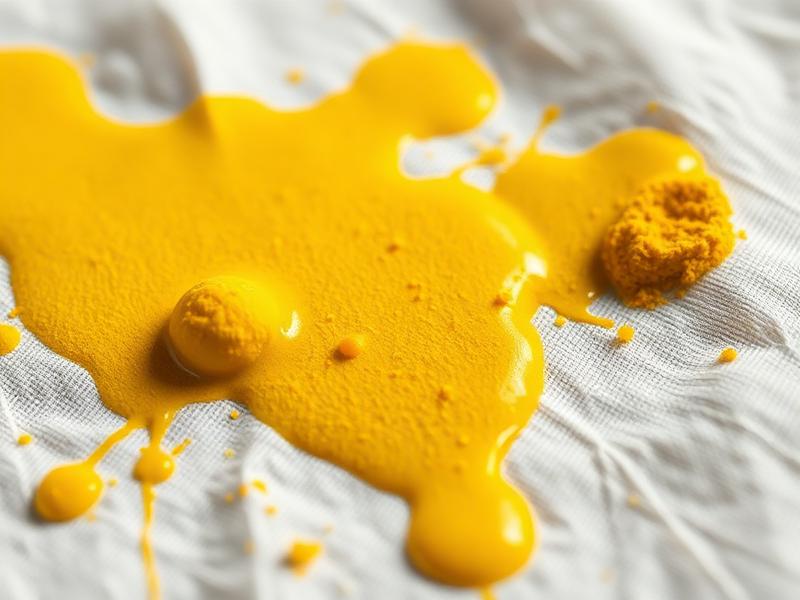
Turmeric stains are dye stains, not dirt stains. Standard detergent has limited effect. Here's what actually works on cotton, silk, and synthetic Indian fabrics.
Read guide →
Curtain cleaning frequency depends on your city's humidity, air quality, and cooking habits. A practical city-by-city guide for Indian homes.
Read guide →Service guidance
Professional fabric care varies significantly in quality across Chennai. Before entrusting delicate or valuable garments to any service, these are the questions worth asking and the standards worth knowing.
A dependable service inspects each garment on intake, records its fabric composition and care label, and chooses a cleaning method accordingly — rather than running everything through one default process. Ask how delicate, embroidered, and occasion wear are handled differently from daily cottons.
Read our full service evaluation guide →More cities
Metro
Tier 2