India's fabric hygiene knowledge base · WHO · BIS · CPCB sourced · Independent editorial · No brand sponsorship · No product comparisons · 16 Indian cities covered · 22+ fabric types ·
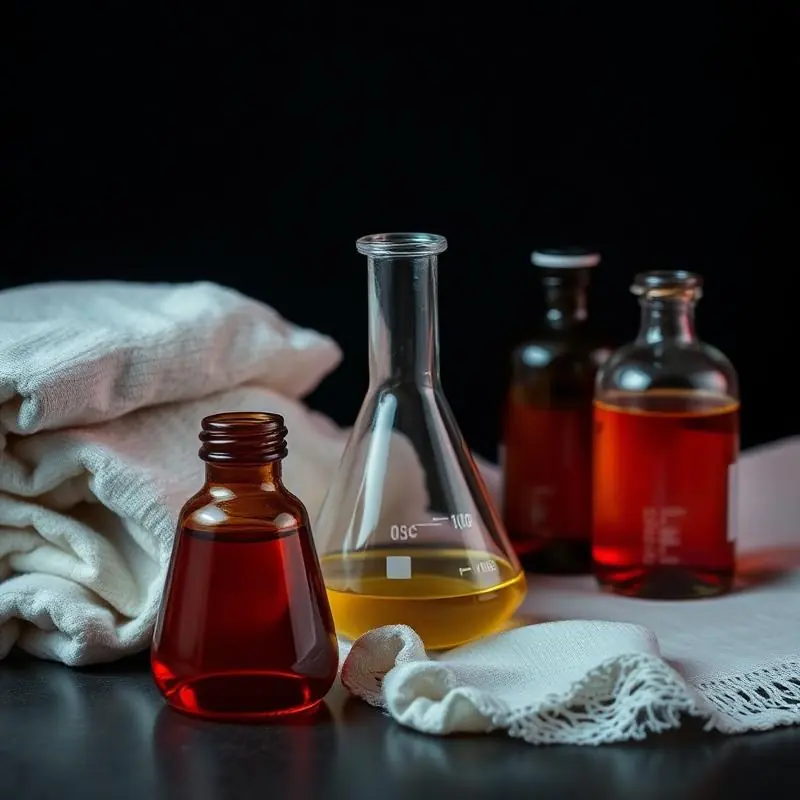
Laboratory glassware beside folded white fabric

Content pillar 04

Chemical Safety

What is actually in a detergent packet or a dry cleaning drum, what stays on fabric afterwards, and what published research says about skin, water and long-term exposure — including how to read Indian labels and certification marks.

9 articles
Laboratory glassware beside folded white fabric
01Chemical Safety8 min read

The Chemical in Your Dry-Cleaned Clothes You Should Know About

Perchloroethylene is India's most common dry cleaning solvent and a Group 1 carcinogen. What it is, how it reaches your home, and what to ask your dry cleaner.

Read guide →
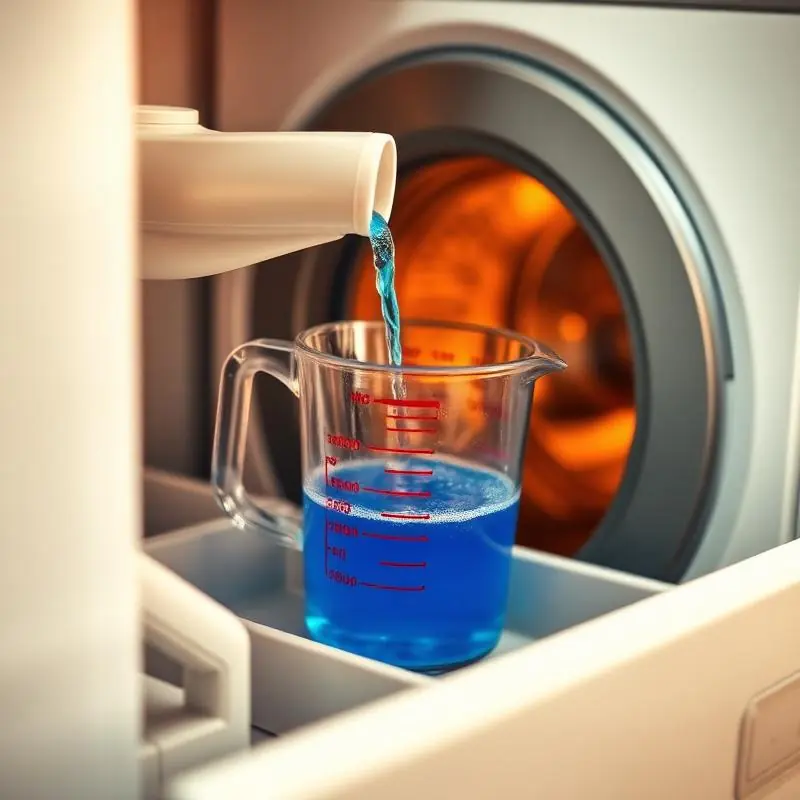
Liquid detergent measured into a cup
02Chemical Safety7 min read

Phosphates in Detergents — What They Do to India's Water Bodies

Phosphates in laundry detergents enter India's rivers and lakes, causing algal blooms and oxygen depletion. What the research says and what to look for on labels.

Read guide →
Stack of bright white folded shirts in daylight
03Chemical Safety6 min read

Optical Brighteners in Washing Powder — What Stays on Your Clothes After Washing

Optical brighteners make clothes appear whiter under UV light but remain on fabric after washing. What they are, how they work, and what dermatologists say.

Read guide →
Sunlight falling through household curtains
04Chemical Safety6 min read

SLS and SLES in Your Detergent — The Skin Contact You're Not Thinking About

Sodium lauryl sulphate (SLS) is in almost every Indian laundry detergent. It stays on fabric after washing. What the dermatology research actually says.

Read guide →
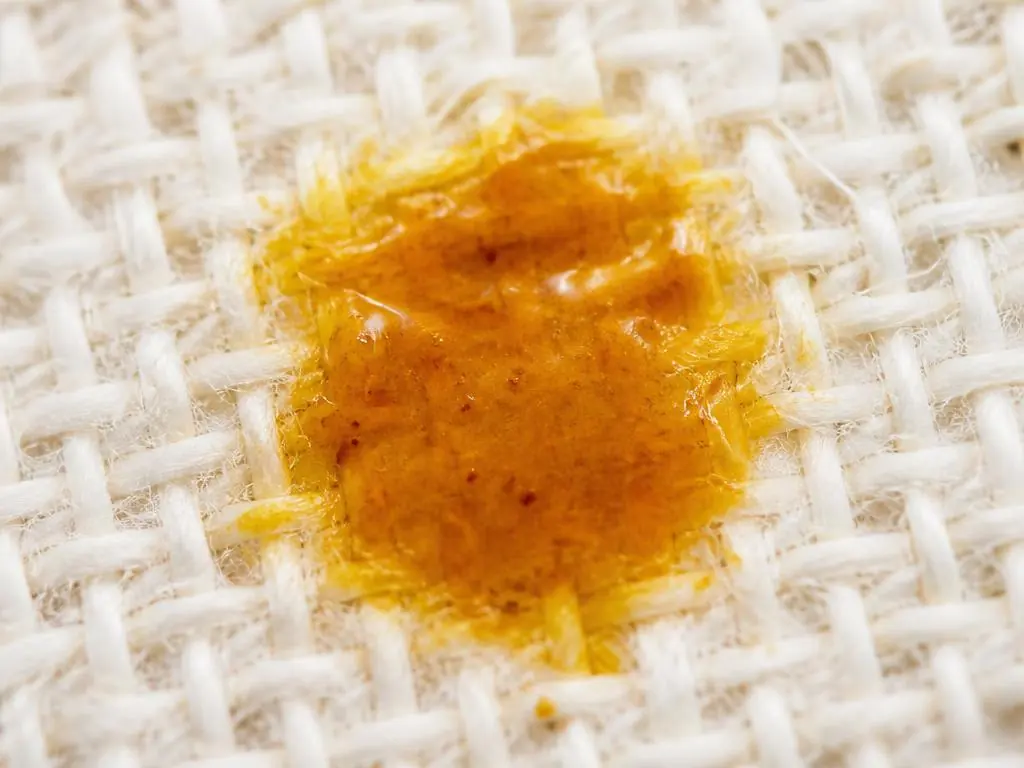
Macro view of a stain spreading across cotton weave
05Chemical Safety6 min read

Fragrance Chemicals in Fabric Softeners — What "Fresh Scent" Actually Contains

Fabric softener fragrances contain synthetic musks, phthalates, and undisclosed chemicals. What the research says about prolonged skin and respiratory exposure.

Read guide →
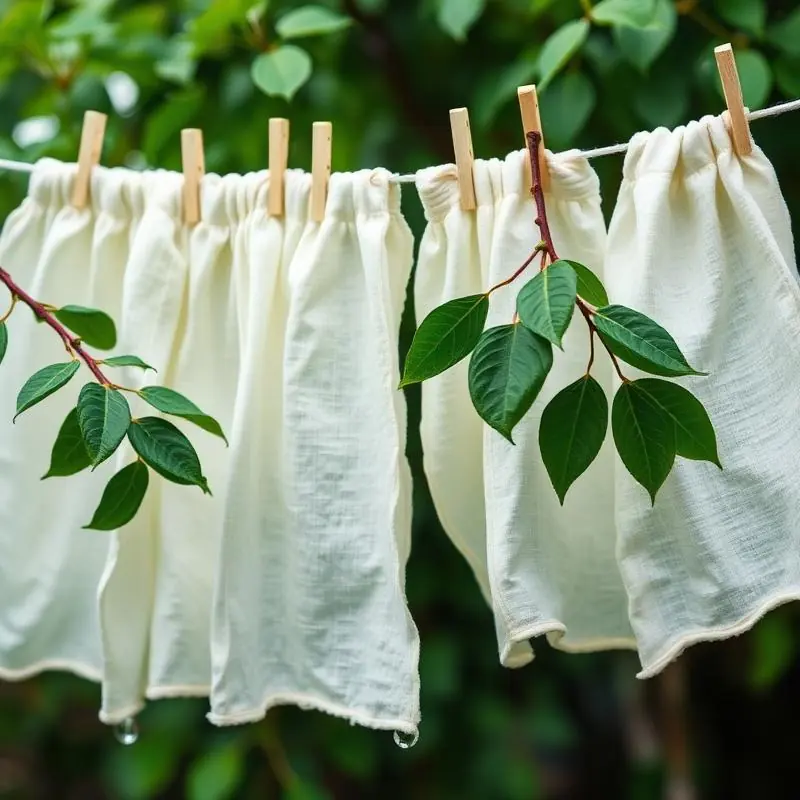
Washed cotton drying on a line beside leaves
06Chemical Safety5 min read

What "Herbal" and "Natural" Detergent Labels Actually Mean in India

Herbal, natural, and bio-based detergent claims are not regulated in India. Here's what these terms actually mean and how to evaluate them on Indian packaging.

Read guide →
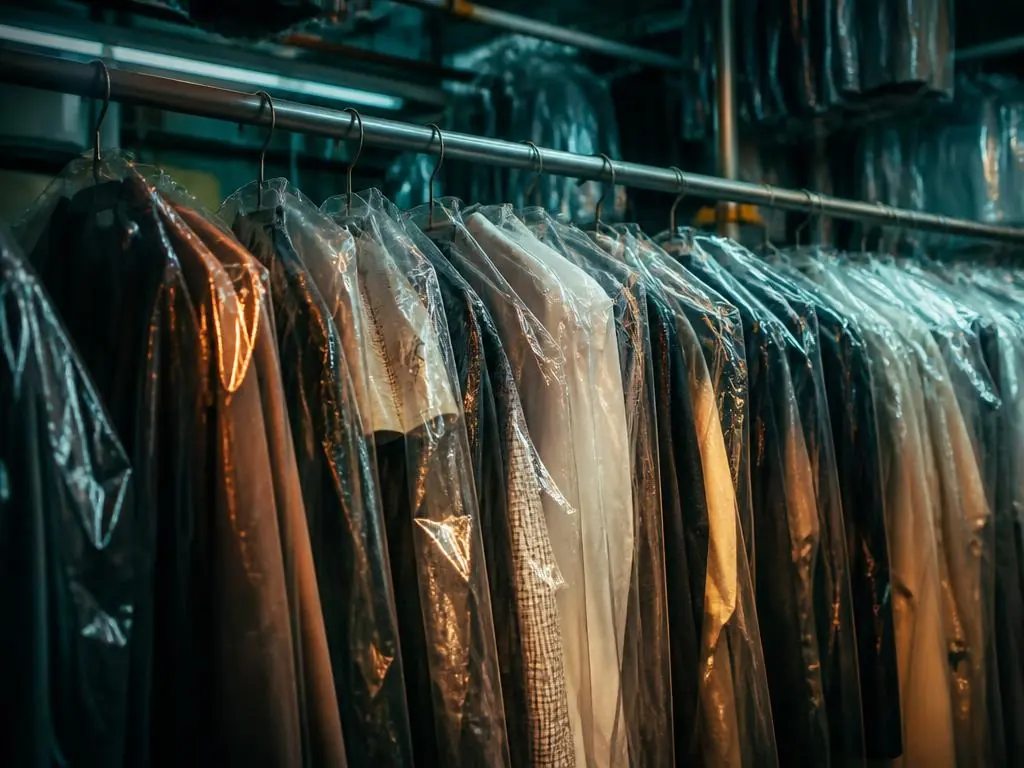
Garments in protective covers on a dry cleaning rail
07Chemical Safety8 min read

How to Read a Detergent Label in India — What the Symbols and Claims Mean

"Bio-based," "phosphate-free," "enzyme formula," "concentrated" — detergent labels use language that most consumers find confusing. This guide translates the most common claims into plain terms.

Read guide →
Sofa with linen cushions in an Indian living room
08Chemical Safety5 min read

Reading BIS Certification Marks on Detergents

The ISI mark on a detergent pack carries two checkable numbers. What IS 2887 and IS 285 certify, why Ecomark is a separate claim, and how to read a label accurately.

Read guide →
A bare mattress in soft morning light
09Chemical Safety6 min read

How CPCB Effluent Norms Affect Commercial Laundry Practices

What CPCB's Schedule VI discharge standards require of laundries and dry cleaners — and why "eco-friendly" service claims are marketing, not certification.

Read guide →