
India's fabric hygiene knowledge base · WHO · BIS · CPCB sourced · Independent editorial · No brand sponsorship · No product comparisons · 16 Indian cities covered · 22+ fabric types ·
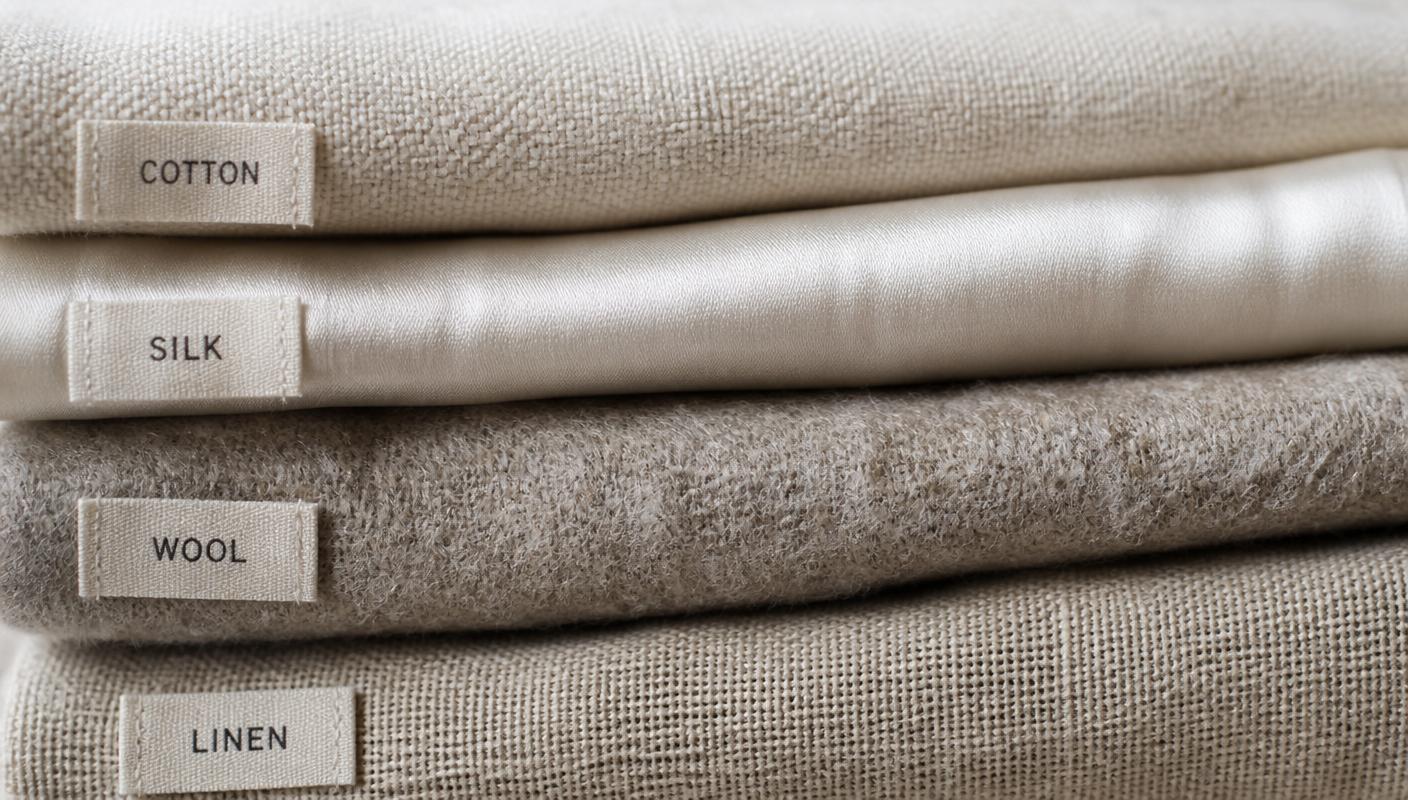
Folded swatches of cotton, silk, wool and linen showing their weave

Content pillar 02

Fabric & Fiber Science

Fibre structure explains almost everything a garment does in water — what shrinks, what yellows, what survives heat. Cotton, silk, wool, zari and synthetics, read through the way they are built.

3 articles
Sofa with linen cushions in an Indian living room
01Fabric & Fiber Science6 min read

Wool and Monsoon Humidity: Storage Science

Wool absorbs up to roughly 30% of its weight in moisture without feeling damp. Why that makes monsoon storage a mould and moth problem, and how to prepare and recover.

Read guide →

Sunlight falling through household curtains
02Fabric & Fiber Science7 min read

Festival Fabric Care: Preserving Silk and Zari Sarees

Most damage to family silk sarees happens in storage, not in wear. Conservation-based guidance on light, humidity, pests and keeping zari from tarnishing.

Read guide →
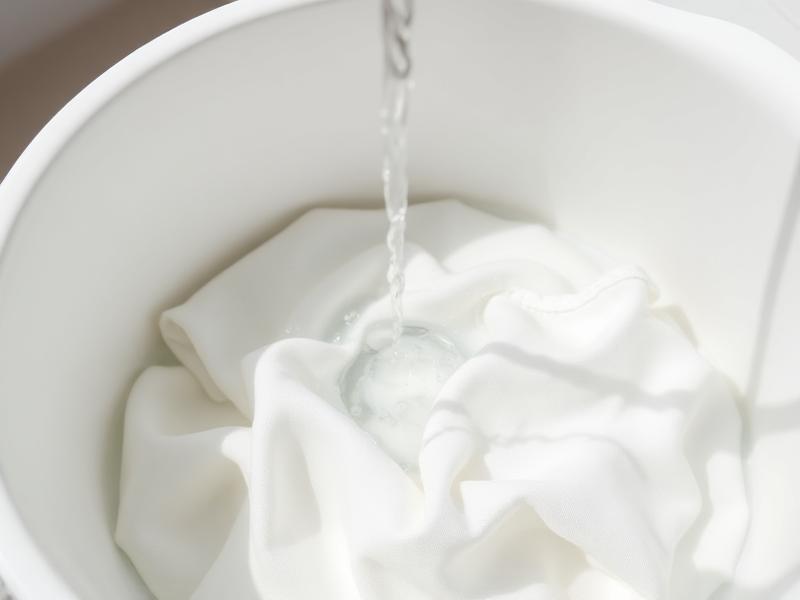
Cold water running over white fabric in a basin
03Fabric & Fiber Science6 min read

The Right Water Temperature for Different Fabrics — A Guide for Indian Washing Machines

Most Indian households wash everything on one temperature setting. Cotton tolerates heat that would permanently damage silk or synthetics. Understanding which fabric needs which temperature protects the garment.

Read guide →