India's fabric hygiene knowledge base · WHO · BIS · CPCB sourced · Independent editorial · No brand sponsorship · No product comparisons · 16 Indian cities covered · 22+ fabric types ·

Local fabric care guide

Fabric Care in Indore — Seasonal Extremes and Fine Handloom Silk

Indore's wide annual temperature range and moderately hard water shape everyday laundry, while Maheshwari and Chanderi weaves need altogether gentler handling.

Moderate hard water (TDS 300–450 ppm)

Affects lathering

Extreme temperature range 10–45°C

Seasonal storage demands

Growing urban laundry market

Organised services expanding rapidly

Indore runs a wide annual temperature range, from cold winter mornings to intense pre-monsoon heat, which means the wardrobe rotates fully twice a year. The region's Maheshwari and Chanderi weaves sit alongside that everyday cycle and follow entirely different rules.

See Indore's water hardness data →

Wardrobe rotation is where garments are lost

Twice-yearly storage transitions are the highest-risk moments in a garment's life. Items packed away carrying invisible soil — perspiration salts, body oil, food residue — attract fabric pests and develop set stains that oxidise into permanence over months.

The reliable rule is to clean before storing, never after retrieving. A stain that was invisible in April is often brown and fixed by October, and heat accelerates that oxidation.

Chanderi is sheer by construction

Chanderi's transparency comes from very fine, low-twist yarn and an open weave. That construction is easily snagged and easily stretched, and the glossy finish is a property of the yarn rather than a coating that can be restored.

Hand washing in cool water without wringing, or professional handling, is the only safe route. Ironing should be done at low heat through a cloth, since direct contact flattens the surface sheen.

Maheshwari borders and dye behaviour

Maheshwari fabric pairs a cotton-silk body with a zari border. The two components respond differently to washing — the cotton-silk tolerates gentle water cleaning while the metallic border does not — which is why mixed-construction sarees are more difficult than pure ones.

Where the border is substantial, treat the whole garment by the requirement of its most sensitive component and keep it out of domestic wash cycles.

Common questions — Indore

Should I clean clothes before or after seasonal storage?

Before. Invisible residues oxidise into permanent stains and attract fabric pests during months in storage, so cleaning afterwards is often too late.

How is Chanderi ironed safely?

At low heat, through a pressing cloth. Direct iron contact flattens the yarn surface that gives Chanderi its characteristic sheen.

Guides relevant to Indore

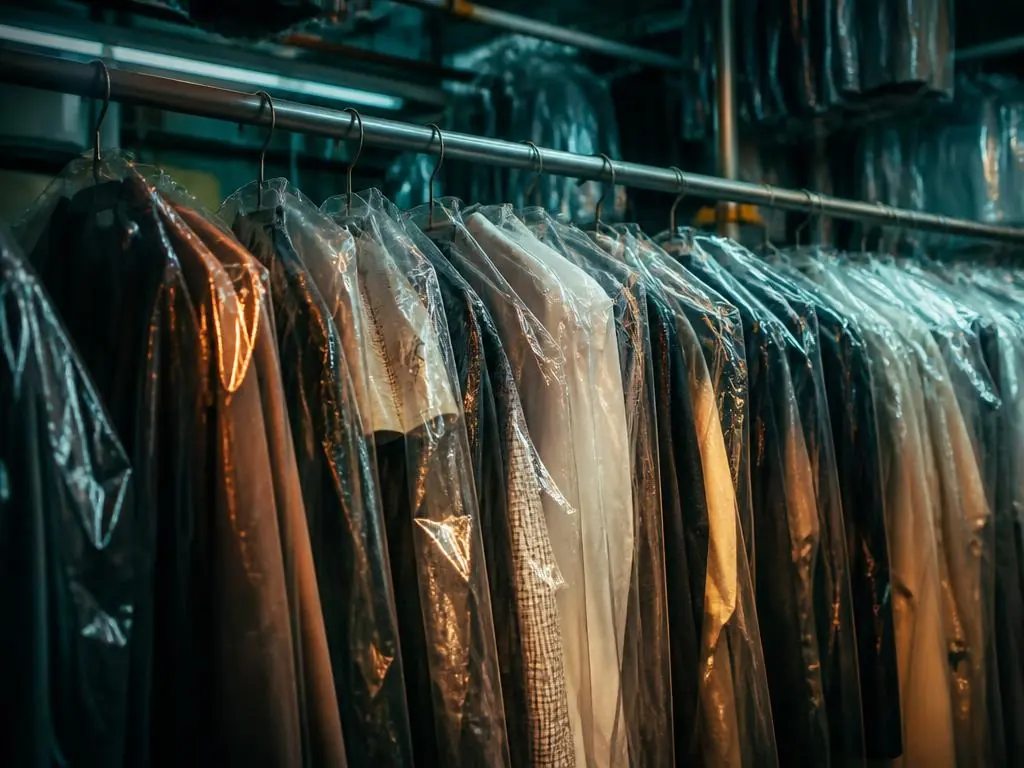
Garments in protective covers on a dry cleaning rail
01Care Methods7 min read

Which Fabrics Actually Need Dry Cleaning — And Which Do Not

"Dry clean only" is often manufacturer caution, not a physical necessity. Here's which Indian fabrics genuinely need dry cleaning and which can be safely hand washed.

Read guide →
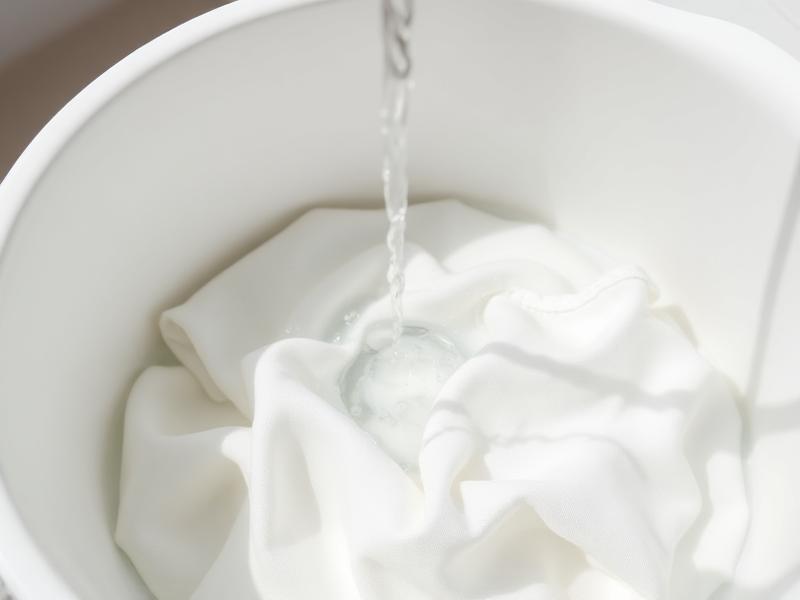
Cold water running over white fabric in a basin
02Dirt & Stain Science7 min read

Why Protein Stains Must Always Be Treated With Cold Water First

Hot water permanently sets protein stains like blood, sweat, and dairy. Here's the chemistry behind it and the correct treatment sequence for Indian fabrics.

Read guide →

Service guidance

Choosing a Professional Fabric Care Service in Indore

Professional fabric care varies significantly in quality across Indore. Before entrusting delicate or valuable garments to any service, these are the questions worth asking and the standards worth knowing.

Questions to ask before handing over garments

  • ·What solvents or chemicals do you use for dry cleaning?
  • ·Do you treat each fabric type differently, or use a standard process?
  • ·How do you handle stain pre-treatment?
  • ·What is your policy if a garment is damaged during cleaning?
  • ·Can you show me where my garments will be cleaned?

What separates a professional service from a basic one

  • ·Fabric identification before treatment — not all fabrics respond to the same process
  • ·Separate handling for delicate items: silk, wool, embroidered, and embellished garments
  • ·Solvent quality disclosure — professional services should be transparent about what they use
  • ·Garment inspection on return — check for shrinkage, colour change, and residue

Red flags when evaluating a laundry or dry cleaning service

  • ·No clear information on what cleaning process is used
  • ·Same process claimed for all fabric types regardless of care label
  • ·No intake inspection — garments accepted without noting pre-existing damage
  • ·No clear pricing before service, only after

How to compare services in Indore

A dependable service inspects each garment on intake, records its fabric composition and care label, and chooses a cleaning method accordingly — rather than running everything through one default process. Ask how delicate, embroidered, and occasion wear are handled differently from daily cottons.

Read our full service evaluation guide →